Can a CrossView Referral Agent Buy or Sell Their Own Property?
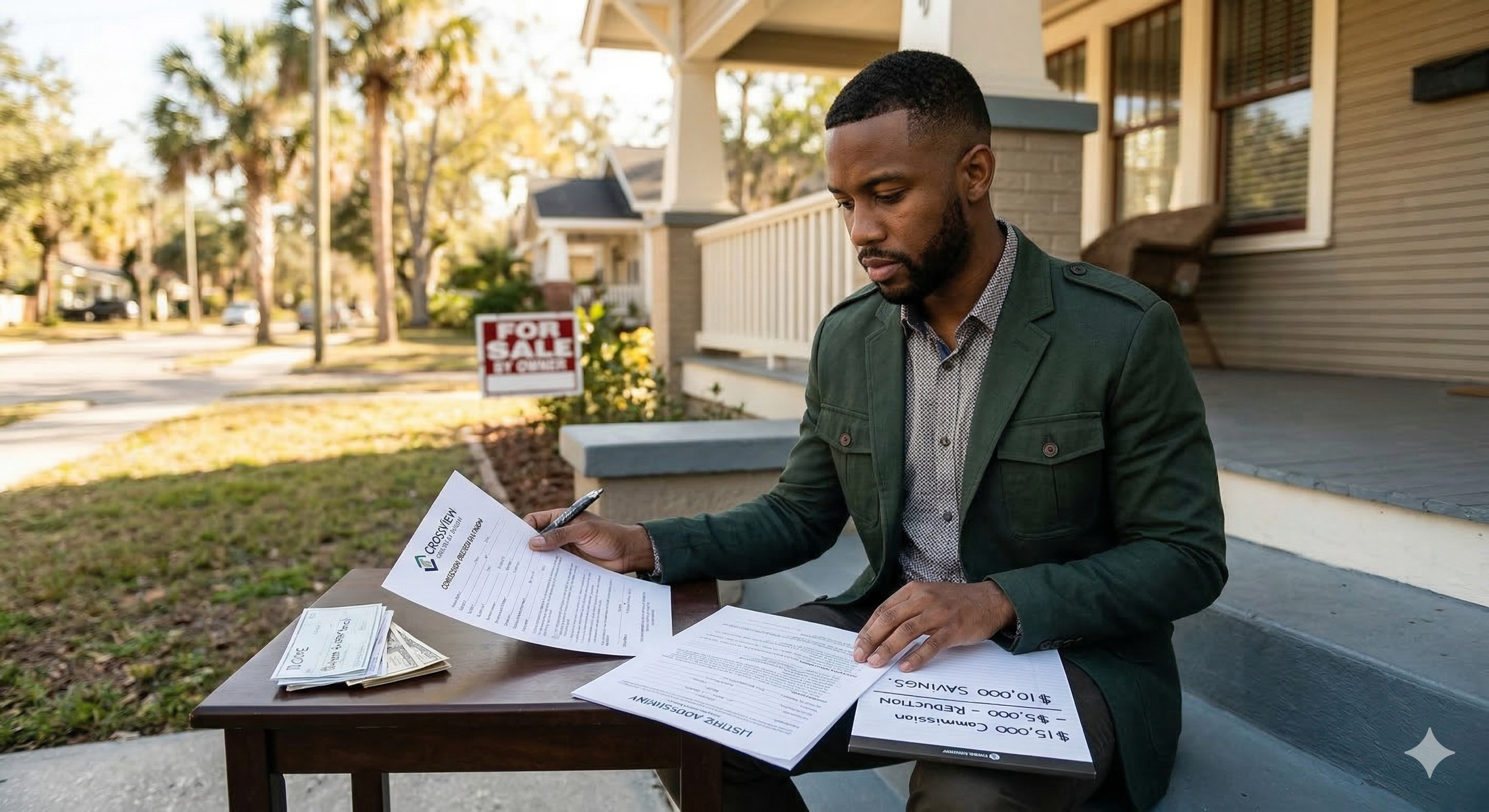
One of the most common questions we receive from agents considering CrossView Referral Realty is:
“What happens when I want to buy or sell my own property?”
It’s an important question because CrossView Referral Realty is intentionally structured as a referral-only brokerage.
Our Associates maintain their active Florida real estate licenses with CrossView so they can continue earning income by referring buyers and sellers to other real estate professionals. Associates are not affiliated with CrossView to actively list property, represent buyers or sellers, negotiate transactions, or otherwise practice traditional residential real estate.
That referral-only structure also applies when the property belongs to you.
There is, however, one limited exception for purchasing your own primary residence.
Here’s how it works.
Can I Sell a Property I Own?
If your real estate license is affiliated with CrossView Referral Realty, you cannot personally list, market, negotiate, or sell property in which you have an ownership or financial interest.
Instead, the transaction must be referred through CrossView Referral Realty to another licensed real estate brokerage.
This applies whether the property is:
Your primary residence
An investment property
A rental property
A vacation or second home
Vacant land
A fix-and-flip property
Commercial property
Property you own jointly with another person
Property held through an LLC, partnership, corporation, trust, or other entity in which you have an ownership or financial interest
Associates also may not sell their property as a For Sale By Owner (FSBO) while affiliated with CrossView Referral Realty.
What do I do instead?
Submit yourself as the customer through CrossView Referral Realty's normal referral process.
You can identify a licensed real estate professional you would like to use, or CrossView can help locate a qualified professional to handle the transaction.
The receiving brokerage then handles the actual listing and sale.
If the transaction closes and CrossView receives a referral fee, the Associate receives 90% of the referral commission received by CrossView, subject to the terms of the Independent Contractor Agreement.
This allows you to benefit from your real estate license while still remaining within the referral-only structure of CrossView Referral Realty.
Can I Buy My Own Primary Residence?
Yes.
Purchasing a bona fide primary residence that you intend to personally occupy is the one exception to CrossView's referral requirement for purchases.
You have two choices.
Option 1: Purchase Your Primary Residence Without Representation
You may purchase your own primary residence without using another real estate professional.
When doing this, you are acting solely as the buyer and principal in your own transaction. You are not representing yourself through CrossView Referral Realty, and CrossView is not acting as your buyer's brokerage.
You may not request or receive a buyer-side real estate commission, brokerage fee, referral fee, or other compensation for representing yourself.
You must also make any disclosures concerning your real estate license that are required for the transaction.
In simple terms:
You can buy your own primary home, but you are buying it as the consumer—not providing brokerage services through CrossView Referral Realty.
Option 2: Refer Yourself to Another Real Estate Professional
You may instead decide that you want professional representation when purchasing your primary residence.
In that case, submit yourself through CrossView Referral Realty's normal referral process.
Another licensed real estate professional handles the transaction, and if CrossView receives a referral commission upon closing, you receive your normal Associate split according to your Independent Contractor Agreement.
For many Associates, this gives them the benefit of having another professional manage the transaction while still creating potential referral income.
What About an Investment Property?
This is where the rule changes.
If you are purchasing an investment property, you cannot personally handle the transaction while your license is affiliated with CrossView Referral Realty.
You must refer yourself through CrossView and use another licensed real estate professional.
This includes properties you plan to:
Hold as long-term rentals
Operate as short-term rentals
Renovate and resell
Purchase for appreciation or investment
Develop
Purchase through an investment entity
The fact that you are personally buying the property does not create an exception to CrossView's referral-only policy.
What About a Second Home or Vacation Home?
Second homes and vacation homes are treated differently from your bona fide primary residence.
They must also be handled through the referral process.
The primary-residence exception is specifically intended for the home you genuinely intend to personally occupy as your principal residence.
A second home, vacation home, seasonal property, or future investment property does not qualify for that exception.
What About Purchasing Property Through an LLC?
Using an LLC or another business entity does not change the policy.
If you have a direct or indirect ownership or financial interest in the entity purchasing the property, the transaction is subject to CrossView's rules.
For example, if your LLC is purchasing a rental property, you cannot personally act as the real estate professional handling that purchase simply because the LLC—not you individually—is named as the buyer.
The purchase must be referred through CrossView Referral Realty.
What If I Want to Handle My Own Investment Transactions?
CrossView Referral Realty may not be the right brokerage for you during that period.
Our brokerage is specifically designed for agents who want to maintain an active Florida real estate license without actively practicing traditional real estate sales.
If you want to personally perform brokerage activities connected with investment purchases, listings, sales, or other transactions that aren't permitted under CrossView's referral-only model, you would need to first leave CrossView Referral Realty and properly move or change the status of your real estate license before engaging in those activities.
There is nothing wrong with wanting to actively invest and personally handle your real estate transactions.
It simply requires a different brokerage structure than the one CrossView Referral Realty provides.
Why Does CrossView Have These Rules?
CrossView Referral Realty was created to provide a very specific option for Florida real estate licensees.
Many agents reach a point where they no longer want to actively:
Show homes
Work listings
Negotiate contracts
Manage active buyers and sellers
Maintain MLS access
Pay the expenses associated with actively practicing real estate
But they still have relationships with people who buy and sell real estate.
Instead of giving up their license and walking away from those opportunities, they can maintain their license with a referral-only brokerage and earn referral income when someone they know needs real estate assistance.
Keeping the boundaries clear is important.
CrossView Referral Realty is a place to make referrals—not a brokerage where Associates occasionally step back into active sales when a particular transaction benefits them.
That distinction helps protect the referral-only nature of the company and makes expectations clear for every Associate.
The Easy Way to Remember the Rule
Here's the simplest way to think about it:
Selling property you own?
Refer it.
Buying your bona fide primary residence?
You may purchase it without representation, or you may refer yourself to another real estate professional.
Buying an investment property, rental, second home, vacation home, land, flip, commercial property, or other non-primary property?
Refer yourself.
Want to personally perform brokerage activities on those transactions?
You will need to move your license from CrossView Referral Realty before doing so.
Frequently Asked Questions
Can I list my own home while my license is with CrossView Referral Realty?
No. Associates may not personally list, market, negotiate, or sell property in which they have an ownership or financial interest while affiliated with CrossView Referral Realty. The sale must be referred through CrossView to another licensed real estate brokerage.
Can I sell my property FSBO?
No. CrossView Associates may not sell property they own as a For Sale By Owner while their real estate license is affiliated with CrossView Referral Realty.
Can I buy my own primary residence without an agent?
Yes. A bona fide primary residence that you intend to personally occupy is the one purchase you may complete without referring yourself to another real estate professional. You are acting solely as the buyer/principal and may not receive buyer-side brokerage compensation for representing yourself.
Can I refer myself when buying my primary residence?
Yes. If you want another licensed real estate professional to represent you, you may submit yourself through CrossView's referral process.
Can I buy my own rental or investment property without another agent?
Not while your license is affiliated with CrossView Referral Realty. Investment and income-producing properties must be handled through the referral process.
Can I personally buy a vacation home or second home?
Not under the primary-residence exception. Second homes and vacation homes must be referred through CrossView Referral Realty.
What if my LLC is buying the property?
If you have an ownership or financial interest in the LLC or other entity purchasing the property, CrossView's referral policy still applies.
How much do I receive when I refer myself?
When a properly submitted referral results in a closing and CrossView Referral Realty receives the agreed-upon referral fee, the Associate receives 90% of the referral commission received by CrossView, according to the terms of the Independent Contractor Agreement.
Have Questions About a Personal Transaction?
If you're a CrossView Referral Realty Associate and aren't sure whether a property qualifies as your primary residence or whether a transaction needs to be referred, contact us before becoming involved in the transaction.
We would much rather answer the question in advance than have an Associate unintentionally step outside the referral-only scope of the brokerage.
CrossView Referral Realty
info@crossviewreferralrealty.com
904-503-0672
Keep your Florida real estate license active. Keep your relationships. Keep earning through referrals—without returning to day-to-day real estate sales.